

We’ll be uploading a new installment of Noted Stories every week. Each episode features two or three story songs written by David Ray Skinner over the last 50+ years, along with the “stories behind the stories.” Each episode runs from 25 to 35 minutes.
Here are our episodes:
Episode # 1: A Teen Voyager and an Elderly Bombmaker
Host & Concept: David Ray Skinner introduces the inaugural episode of Noted Stories, a podcast dedicated to sharing the real-life inspirations, people, and events behind the songs he has written over a span of more than fifty years.

“Robin”: Inspired by the true story of sixteen-year-old Robin Lee Graham, who sailed solo around the world. Skinner first read about the journey as a teenager and later rediscovered it in an old National Geographic magazine during college, prompting him to write a song about searching for purpose that became a staple of his live performances.
“The Boys from Oak Ridge”: Born from a chance encounter at a small East Tennessee gas station, where an elderly man noticed Skinner’s college bumper sticker. The man revealed he had left school during World War II because physicists were needed to work on the atomic bomb at Oak Ridge, leaving Skinner with a haunting, unforgettable final remark about the fate of his colleagues.
Episode # 2: Crazy Ol’ Frisco
This week’s Noted Stories features two songs inspired by one remarkable trip to California in 1975.
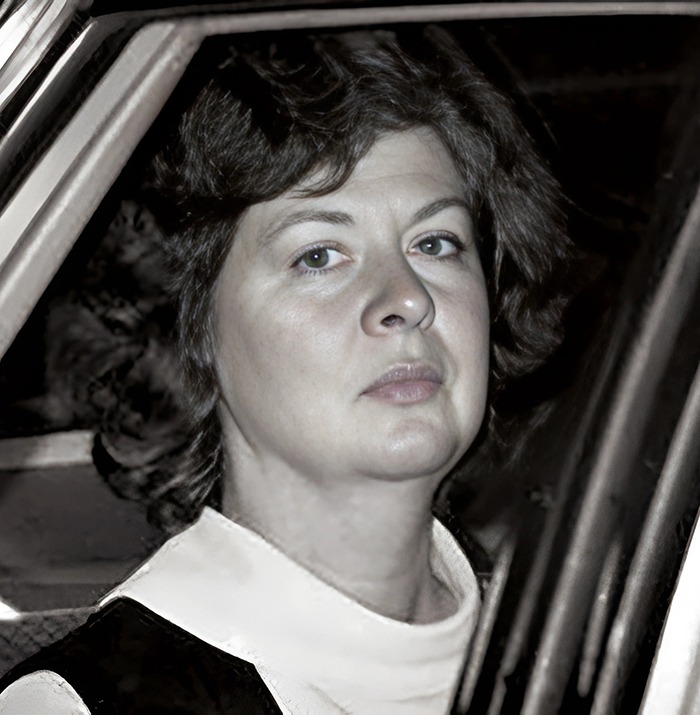
While exploring San Francisco, Skinner unexpectedly witnessed Sara Jane Moore’s encounter with President Gerald Ford—an experience that inspired the song “Sara Jane.”
Just days earlier, Skinner had visited Berkeley on the very day Patty Hearst was captured. There he met a young man who invited him to a church gathering he never attended. Three years later, Skinner learned what had happened to the young man and his church, inspiring the song “The Eucalyptus Trees.”
Two chance encounters. Two unforgettable stories. Two songs that could only have been written by someone who was there.
Episode # 3: Good Old Nashville Days
This week’s episode features one true-story song and two tall tales—you can decide which one stretches the truth the most.
The true story, “Nashville Summer Evenings,” reflects on Skinner’s childhood in postwar Nashville. Raised by parents who both served during World War II, Skinner spent weekends visiting family in rural Tennessee, listening to the Grand Ole Opry on WSM, and exploring an abandoned railroad bed behind his suburban home. Those memories eventually inspired the song.
The first tall tale, “Dottie’s Come Back Home,” grew out of Skinner’s Baptist upbringing. Because his family was faithfully involved in church, he missed many classic television programs—including The Wizard of Oz. When he finally saw the film in college, he imagined it as an unlikely allegory for the 1960s counterculture and turned that interpretation into a whimsical calypso song.
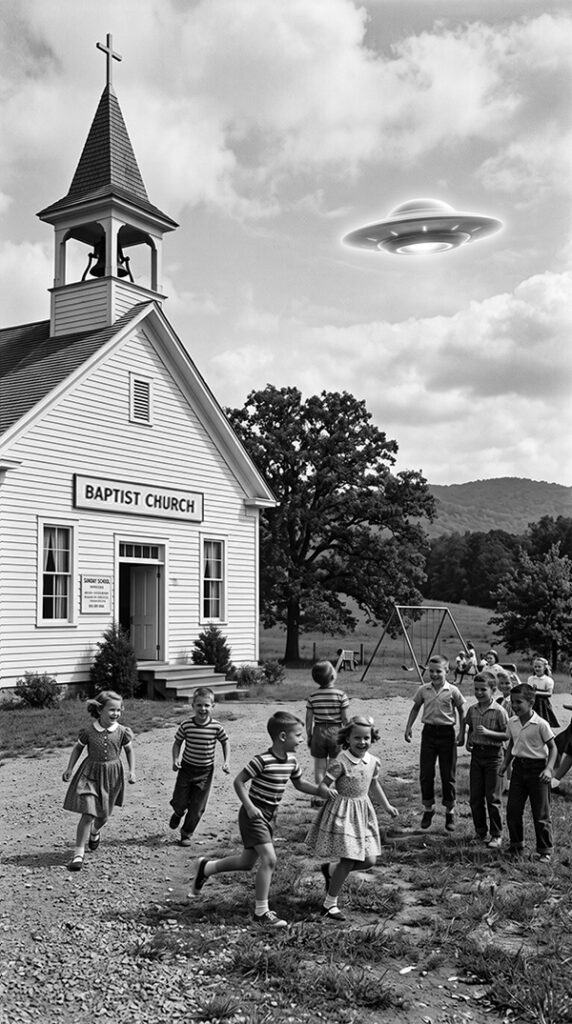
The episode concludes with “UFO at the VBS,” a humorous story inspired by a sermon that asked how churches might react if intelligent life beyond Earth were ever confirmed. Set during a 1950s Vacation Bible School, the song blends childhood memories with imagination to remind listeners that sometimes the tallest tales can spark the biggest conversations.
Episode # 4: Contents Under Pressure
During his first week at college, Skinner met Paul Dunlap when Paul wandered into his dorm room while he was playing guitar. They quickly discovered their voices blended well. A few nights later, Filmore Strunk heard them singing, added a perfect third harmony, and just like that, the trio had something special.
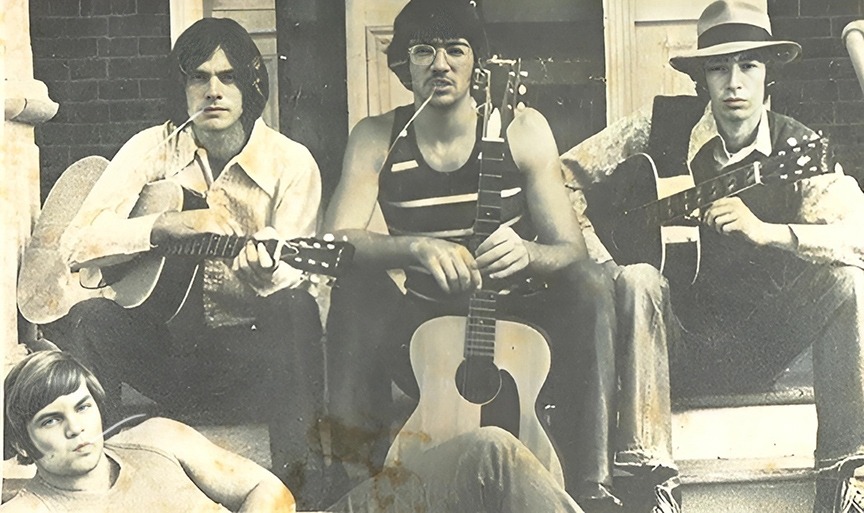
The next day, a freshman coordinator asked if David’s new band would perform in the freshman talent show. When she asked the band’s name, David happened to read the warning on a can of shaving cream he was holding: “Contents Under Pressure.” She loved it, and the name stuck. The band soon became known for its tight harmonies and eclectic repertoire. After Dan Schlafer joined, they expanded to four-part harmony, and David began writing original story songs for the group. This episode of Noted Stories features three of those songs.
The first, “In About 50 Years,” was a cautionary tale David wrote in 1971. More than five decades later, its message still feels remarkably relevant. The second, “One Sunday Morning,” imagined American soldiers arresting a pastor, “Brother Jim,” during a church service. After one performance, a listener insisted Russian soldiers could never invade American churches. David replied, “That’s why they’re not Russian soldiers—they’re American.” Years later, he shared the song with the real Brother Jim Henry, who smiled and remarked, “That was kind of prophetic, wasn’t it?”
Unfortunately, Contents Under Pressure dissolved before it could perform another of David’s new songs, “Uncle Anthony,” about an aging rock guitarist still playing more than fifty years in the future. When it was written, it seemed like science fiction. Today, it feels surprisingly close to reality.
Episode # 5: Severe County Times
Skinner has always been fascinated by the Domino Effect—the idea that one small event can trigger a chain of unexpected consequences. This episode’s Noted Stories is a perfect example.The first domino fell in the spring of 1973 when he ran into his longtime mentor, artist (and church deacon) Max McWhorter, during Spring Break. When Max asked about his summer plans, he said he’d probably return to Opryland, where he had worked the previous year.Max introduced him to Stephen Kling, a talented caricature artist at the park. Stephen encouraged him to apply, and he was hired as a caricature artist the following summer.
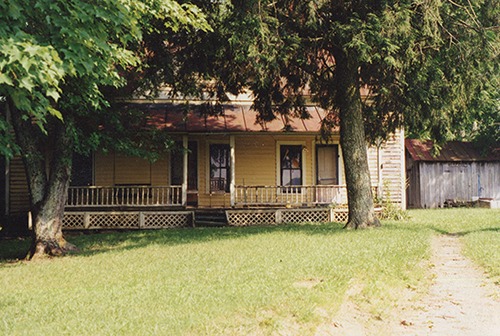
That became the second domino. At Opryland, he met fellow caricature artist and musician Michael Copas—the third domino. When Opryland later changed its caricature operation, he and Copas left for Gatlinburg while Stephen went back to New York. In a downtown Gatlinburg watering hole, the duo ran into Teresa, an old schoolmate of Copas, and Teresa introduced them to fiddle player Michael Thornburgh. Consequently, Teresa and Thornburgh became the fourth and fifth dominoes. Copas, Thornburgh and Skinner eventually found a $15-a-month farmhouse in Wear’s Valley and it became the sixth domino. The farmhouse had no running water, no bathroom and no heat, but it became the center of an unforgettable summer of music, songwriting and friendship. Inspired by the mountains and Stephen Vincent Benét’s “The Mountain Whippoorwill,” he wrote this episode’s first song, “Henry Able.” This was soon followed by this episode’s second song, “Roundtop Mountain Farm,” a tune about the farm and farmhouse where they lived and played music.
Then Stephen Kling returned from New York, he and Skinner were hired as a “journalism team” by Tim Pollitt at the Sevier County Times—the seventh domino. Skinner wrote stories and drew editorial cartoons, while Stephen took photographs and developed and printed pictures for the paper’s cover and articles inside. For an “ad trade-out” with the local AM radio station, Skinner wrote “Sevier County Times,” a 60-second country song/jingle for and about the Sevier County Times that Stephen and he recorded with some musician friends at nearby Carson-Newman. The station played it until they began receiving too many requests for it. A few years ago, Skinner added some verses and now, 51 years later, it’s the third song in this episode.
Episode # 6: From Watermelon Evenings to Big Apple Days
By 1975, Skinner had graduated college, lived in East Tennessee, worked for a newspaper, traveled to California, and returned to Nashville to write and record songs with Lee Owens. When Nashville executives later said their music wasn’t “country enough,” they suggested New York or Los Angeles.
Then his friend Stephen Kling called from Manhattan with a job at the music trade mag, Record World. A few weeks later, Skinner packed his ’66 VW van and headed north—a Tennessee catfish in the Hudson River.
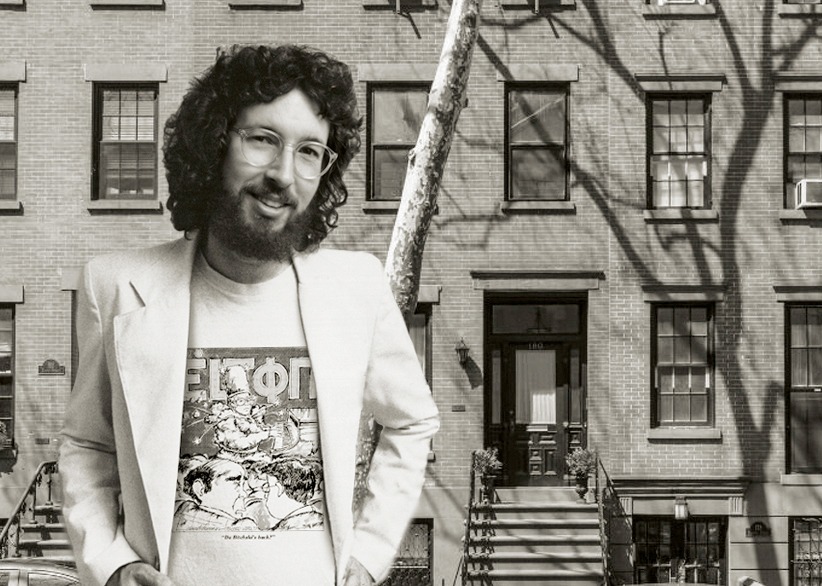
By 1980, he had become Art Director, giving him a front-row view of the music world from Record World’s 42nd-floor offices. He crossed paths with artists from the Police and Stones to Springsteen and spent time at the Lone Star Café with Willie Nelson, Hank Williams Jr., and Levon Helm. Those experiences inspired his fictitious song, “Lindalu.”
Then came John Lennon’s murder in December 1980. Record World created a special Lennon edition, and Skinner later joined half a million people in Central Park for the memorial. Hearing “Imagine,” he realized his youth had ended. Years later, he captured that moment in “Frozen Tears.”
After Record World folded in 1982, Skinner became Art Director of Doubleday’s Literary Guild. His father gave him a rugged 1962 Buick Special to survive New York traffic. One morning, while listening to Flatt & Scruggs’ “Foggy Mountain Breakdown,” the Buick suffered a blown tire on the Brooklyn-Queens Expressway. A nearby exit and tire shop saved the day.
Skinner returned South in 1984, but the incident became his final song, “Breakdown on the BQE.” He changed the Buick to an ’83 for the rhyme, but the bluegrass and blown tire were true.
Episode # 7: Uncivil War Stories
Skinner’s fascination with the Civil War began as a child when his Uncle Ray gave him the book, “The Civil War in Middle Tennessee,” a reprint of a series by Ed Huddleston, originally published as four separate supplements in the Nashville Banner in the early 1960s to commemorate the war’s centennial. Growing up in Nashville and spending summers in Clarksville and Dover—near Fort Donelson—he became fascinated by the region’s overlooked Civil War history. By college, that fascination had evolved into songs and eventually his 1993 concept album John Hunt Morgan: A Southern Legend, later re-released as Morgan’s War-Song. The first two songs in this episode are from that collection.
“Asylum Raid” tells how Morgan’s men, disguised in Union uniforms, infiltrated federal troops camped on the grounds of the Tennessee Lunatic Asylum and captured more than 80 prisoners, sparking a bizarre battle watched by patients from the windows in the shadow of the asylum.
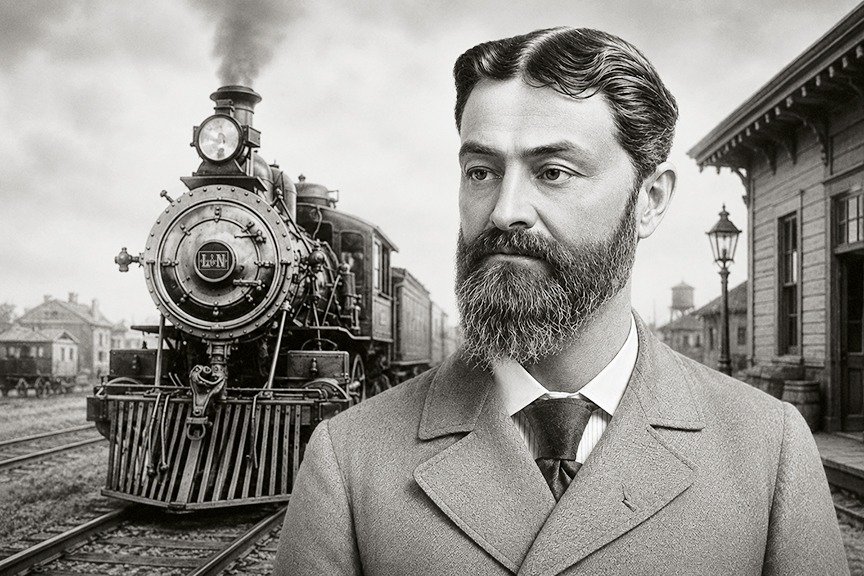
“Black Clouds Above the L&N” is the story of Morgan’s brother-in-law, Basil Duke and his attacks on the Louisville & Nashville Railroad, including the destruction of the Gallatin tunnels and the Muldraugh trestles, both vital supply lines for the Union Army. The irony: after the war, Duke became the railroad’s chief counsel.
“Belly of a UFO” is a story song inspired by a 1988 Weekly World News headline about a UFO bearing a Confederate flag. Unlike the first two songs in the episode, this one is indeed a tall tale, albeit from the pages of a “newspaper.” Skinner imagined an alien sent to aid the Confederacy who loses the weapons in a moonshine-fueled card game, then spends generations hiding on Earth—until he sees the UFO headline and fears his past has caught up with him.
Episode # 8: The Greatest Generation
Growing up in Nashville during the Civil War centennial, Skinner was fascinated by stories of soldiers and battles from another era. What he didn’t realize at the time was that he was surrounded by another generation of heroes—men and women who had just returned from World War II. One of them was his father. Horace Edward Skinner joined the Army Air Corps after high school and became a B-24 tail gunner with the legendary 90th Bombardment Group—the Jolly Rogers. His crew called themselves Jasper’s Jokers, named for their pilot, Lt. Jasper Skinner (no relation).
Skinner’s father rarely talked about the war. After he passed away in 1997, Skinner discovered his dad’s squadron yearbook and began tracking down the surviving members of Jasper’s Jokers. Those conversations opened a door to stories he wished he had heard from his father himself, and they eventually inspired his 15-song concept album, Jolly Roger Tailgunner (https://equilt.com/JRTGFlipbook/mobile/index.html#p=1).
Three of those songs are featured in this episode.
“Big Blue Battlefield” tells the incredible story of a 1945 mission over Formosa—and how a split-second change in formation may have saved his father’s life and ultimately allowed Skinner to be here to tell his story.
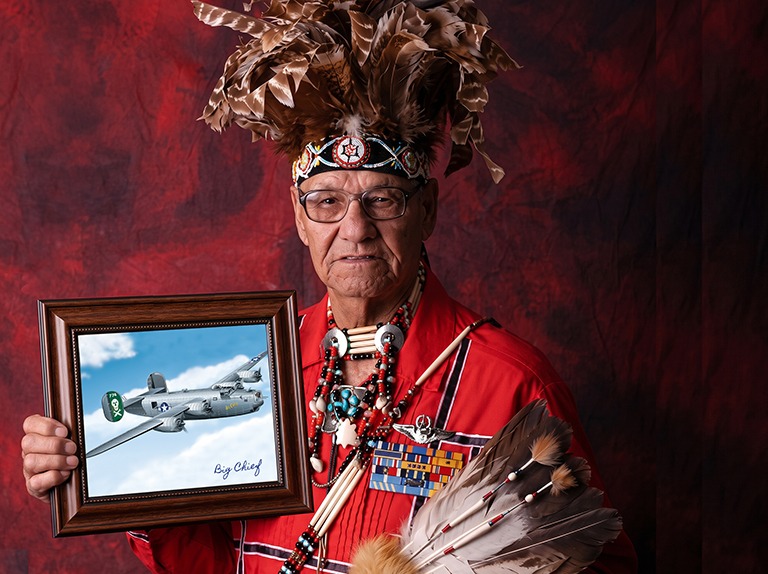
“Big Chief” tells the story of Chief Leaford Bearskin, a Wyandotte Nation tribal chief and Jolly Rogers B-24 pilot. He survived and reflected on the intensity of the combat—he described the flak as being so thick he felt he could “walk on it.” “Big Chief” traces the Wyandotte nation’s history from the 1600s and how it led up to Chief Bearskin’s role as a pilot during the war.
And “Willow Run” is Skinner’s tribute to his mother, Ruth Sexton Skinner, who left Tennessee during the war to work in a Detroit factory. He took some creative liberties with the details, but the heart of the song is true—a tribute to a woman who did her part while her country was at war.
These aren’t just songs. They’re pieces of a family’s history…and a nation’s history. They’re stories of sacrifice, courage, survival—and the men and women who quietly did what had to be done.
This episode, “The Greatest Generation” was launched to honor Skinner’s father, his father’s crew, the Jolly Rogers, his mother, and all those who served and sacrificed to help keep this nation free.
Their stories deserve to be remembered.
Episode # 9: All Thumbs
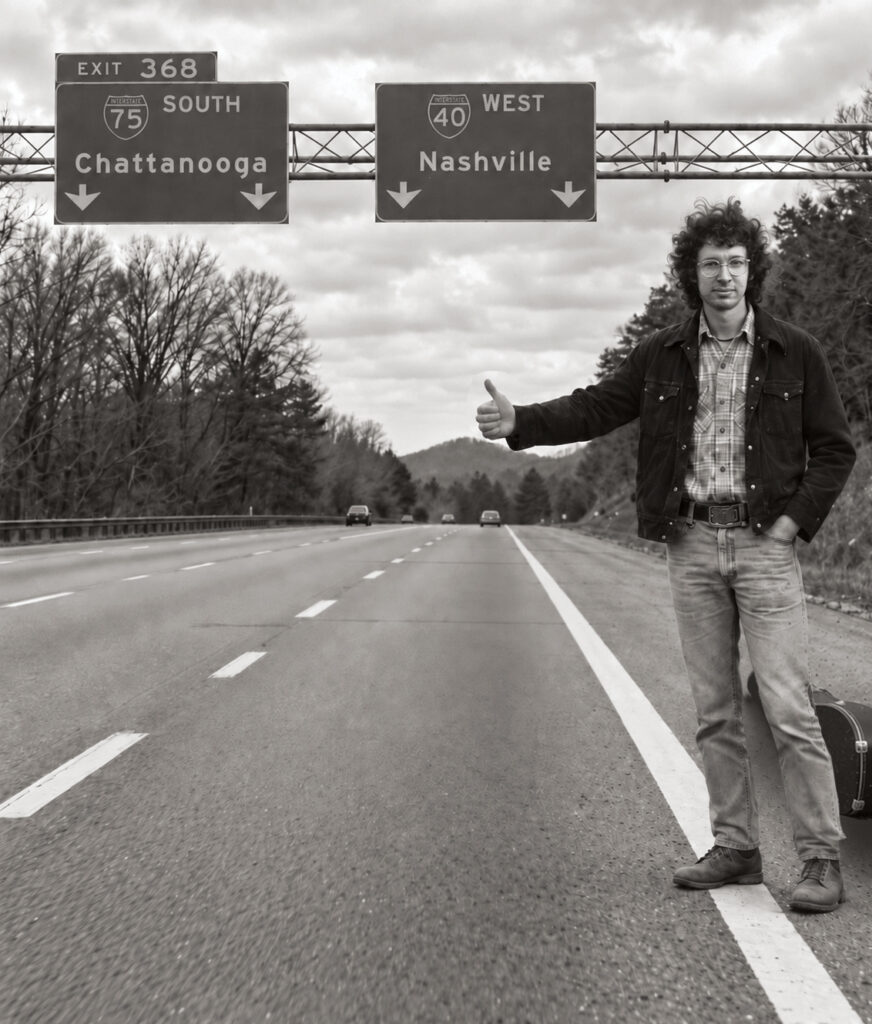
“All Thumbs” chronicles Skinner’s brief and checkered career as a hitchhiker. He first tried hitchhiking during a college fraternity race to Atlanta. After surviving that experience, he dreamed of hitching to California and wrote the episode’s first song, “California Itch.” In 1975, he traveled west by train and hitchhiked throughout California—an experience quite different from the fictional song.
The second song, “Another Man’s Shoes,” is based on a true story. In 1977, Skinner drove his unreliable Volkswagen van to a friend’s party in Knoxville. When his grandmother died, he needed to return to Nashville for her funeral but feared the van wouldn’t make it. He decided to hitchhike home. A man in an old station wagon picked him up and asked him to drive while he rested. Instead of sleeping, the man told Skinner about a cowboy in a Chicago tavern who gave his beautiful boots to a stranger, then walked barefoot into a snowstorm. That story inspired the song.
Written years later in Brooklyn, the final song, “Easy Fall,” tells the fictional story of a young woman hitchhiking across America, torn between the freedom of wandering and the desire for something permanent—a fitting reflection of Skinner’s hitchhiking mindset.
Episode # 10: Bible Story Songs
Growing up in Nashville during the 1950s and ’60s, Skinner spent many Saturday afternoons watching Flatt & Scruggs. When they removed their hats, Lester would announce that it was time for a “sacred number.” In that tradition, this episode of Noted Stories is titled “Bible Story Songs.”
One afternoon, while Skinner was visiting his father and they were playing music together, his father suggested that he write a song called “Writing in the Sand,” based on John 8. In the biblical account, Jesus saved a woman caught in adultery from being stoned by challenging anyone without sin to cast the first stone. Skinner followed up on his dad’s request by writing the song but told the story from an unusual perspective—that of the guilty man who was never brought before Jesus.
The second song, “The Mountain,” was inspired by the Sermon on the Mount. It was written from the perspective of an ordinary person who was able to stand among thousands and hear words that would change the world.
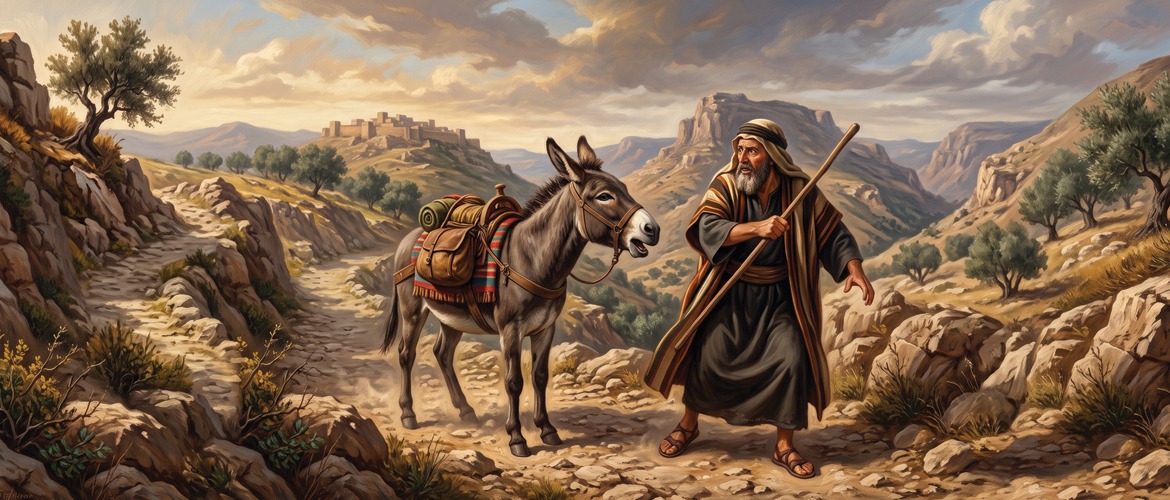
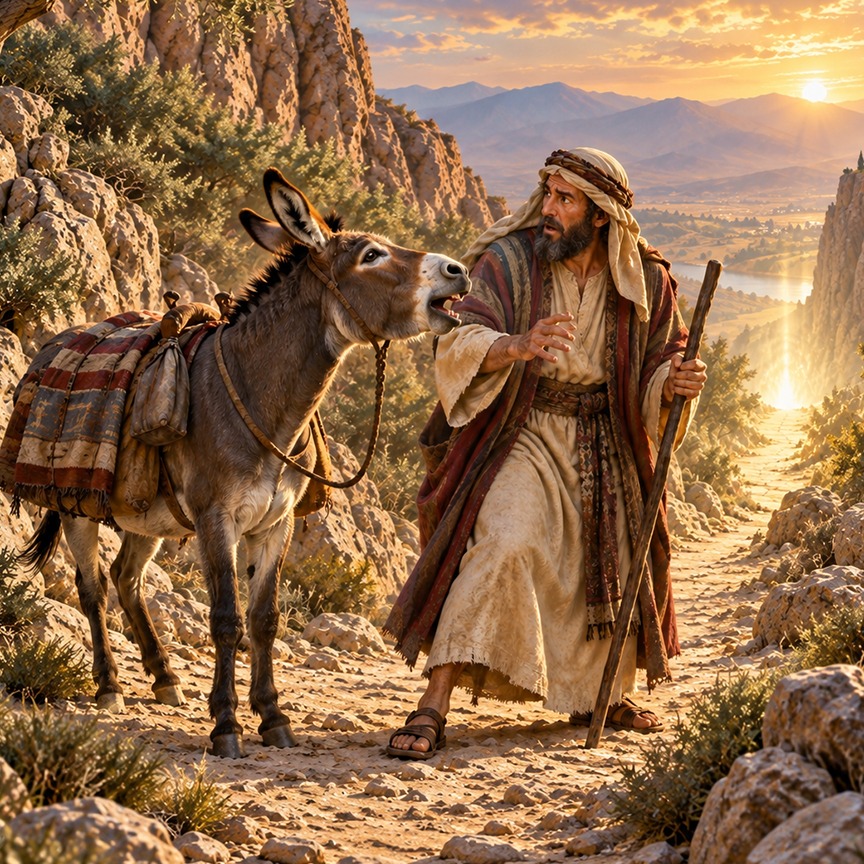
The final song comes from Numbers 22, in which Balaam’s donkey sees an angel, refuses to move and is given a voice by God. Long before Francis the Talking Mule or Mister Ed, the Bible had its own talking animal. Since Scripture never mentions the donkey’s name, this song, “You Can Call Me Sam,” fills in the blank.
Episode # 11: Lone Star Stories
This episode, titled “Lone Star Stories,” celebrates Texas through three original songs—a fictional romance, a larger-than-life true story and a Texas-sized tall tale.
Skinner wrote the first song, “Café Texaco,” shortly after moving south from New York City. The mariachi-flavored fictional story follows a Brooklyn kid who finds work at a gas station café in a Texas border town.
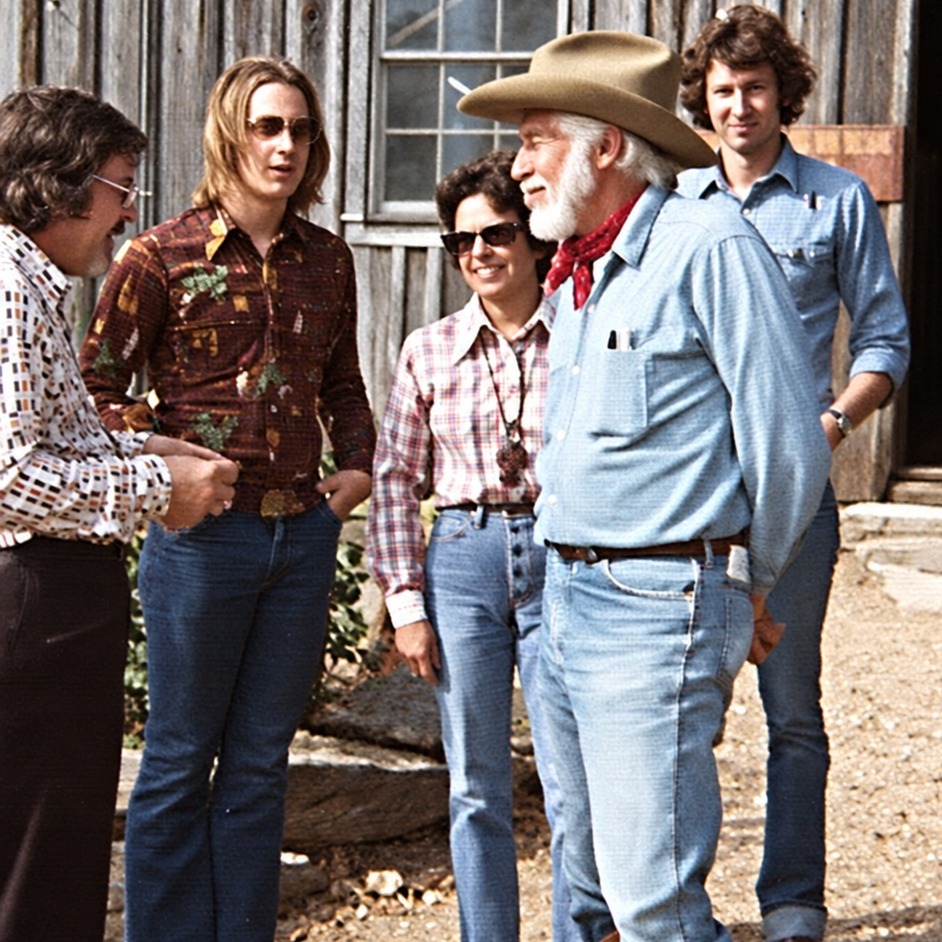
The second song, “Lookin’ Back at Luckenbach,” recounts an unforgettable trip in 1976. Skinner’s songwriting partner, Lee Owens, called from San Antonio with unexpected news: They had been invited to perform at the city’s River Festival, and an airline ticket was waiting for Skinner.
After arriving in San Antonio, Skinner met Hondo Crouch, the colorful owner and self-appointed mayor of Luckenbach, Texas. Following their performance, Hondo invited Skinner and Owens to visit Luckenbach—population four—where they passed guitars around a woodstove before riding across the Texas countryside to his ranch. The two songwriters still remember that perfect day, and Skinner wrote the song to preserve its memory.
The final song, “Picasso,” brings Pablo Picasso and Western Swing together. Picasso never actually visited America, but this tall-tale story song “paints” him as a secret traveler who lands in El Paso, meets a young Texas woman and is hired to create a rodeo poster. Unfortunately, the local cowboys fail to appreciate his unusual artistic style. It’s a classic case of “dudes meet cubes.”
Episode # 12: Artifacts and Fiction
In this episode of Noted Stories, “Artifacts and Fiction,” Skinner takes three events from the distant past and turns them into songs with no small amount of creative license.

In “Miss Mesopotamia,” a construction worker returns to school to become an archaeologist. During a secret dig in Iraq, his team uncovers what appears to be evidence of an ancient beauty pageant. He can’t resist telling the coworkers who once laughed at his ambitions—and one of them tips off a tabloid.
“Warm Egyptian Nights” follows a weary West Tennessee farmer who believes that, in a previous life, he swept the floors of an Egyptian pyramid. He wasn’t a pharaoh, but he misses the warm nights beside the Nile—a different Memphis in a different time.
The final song, “The Lyre,” begins with the tradition that Nero played music while Rome burned. Often described as a fiddle, his instrument inspires Skinner to imagine a lyre turning up centuries later in a Jewish shop in Germany on the night of Kristallnacht. The instrument’s journey is fiction, but the destruction and persecution are history—and a reminder to stay alert to their return.
Episode # 13: Auto Tunes
This episode of Noted Stories features three car songs: one true, one partly true and one totally fictional. As a toddler, Skinner could correctly name cars passing during Sunday drives. His father was a gifted mechanic, but he didn’t inherit his skills. However, he did inherit his father’s love of old cars, and, once in college, he started adding them to his watercolor paintings. Then, after college, he started writing songs about them.
“Filmore’s 55” is true. In the 1970s, Skinner’s college bandmate and friend Filmore Strunk visited their farm in his green 1955 GMC pickup. Filmore called it his “Old ’55,” after the Tom Waits song featured on the Eagles’ 1974 album On the Border. Driving through the East Tennessee mountains with the song on the radio inspired this tune.
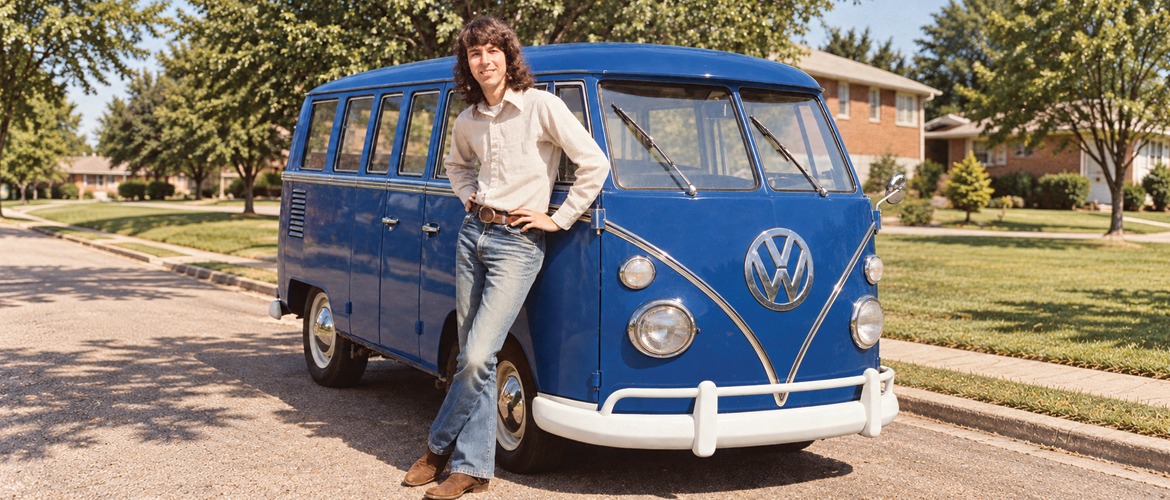
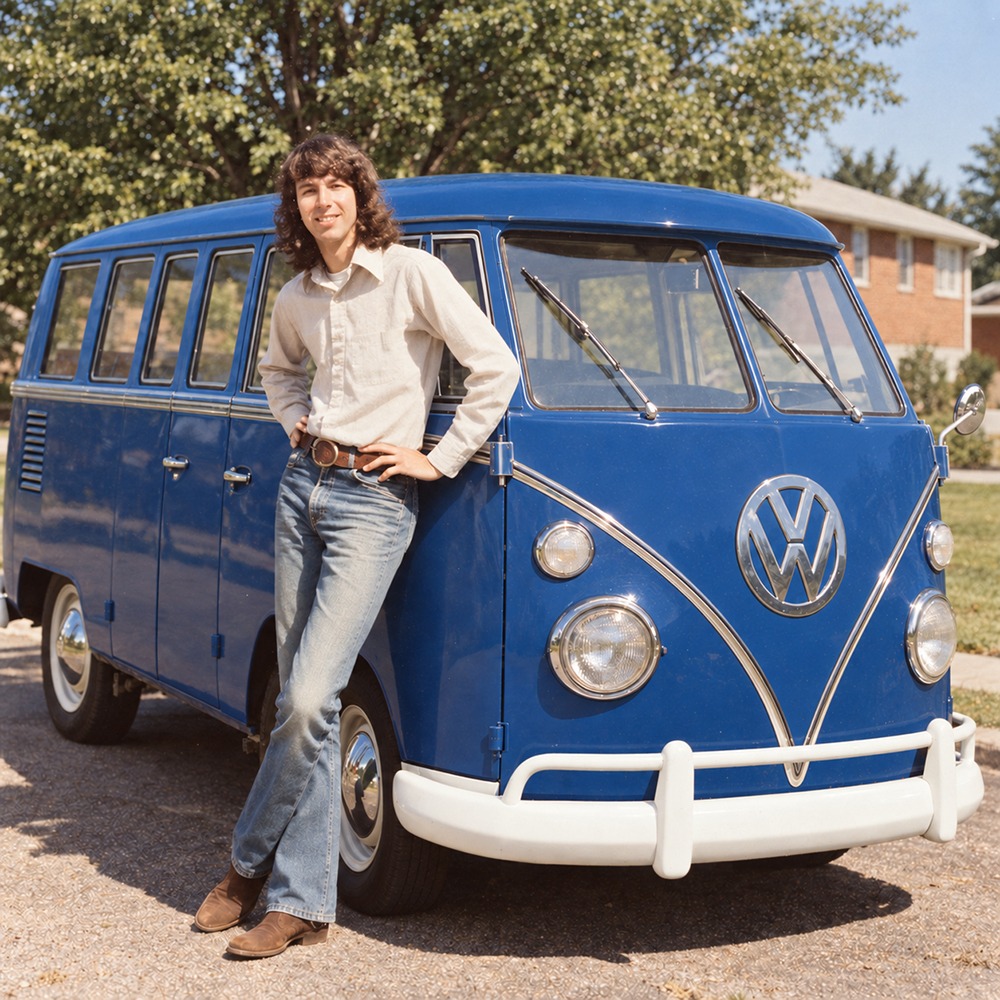
“’65 VW Van” is partly true. After Skinner’s unreliable ’64 Falcon broke down on I-40, he read Ken Kesey’s Sometimes a Great Notion by flashlight while waiting for sunrise and a rescue. The book helped inspire his trip west. Later, he bought a stripped-down 1965 VW van and named it “Van Go”—though most of the time, it didn’t go. That old van inspired this song.
“Work-a-Daddy Thunderbird” is pure fiction, inspired by James Thurber’s “The Secret Life of Walter Mitty” and Skinner’s childhood love of red 1957 Ford Thunderbirds. The song follows a worn-out husband who longs for a dream from the past and settles for a modified vintage replica.
Episode # 14: Kinfolks
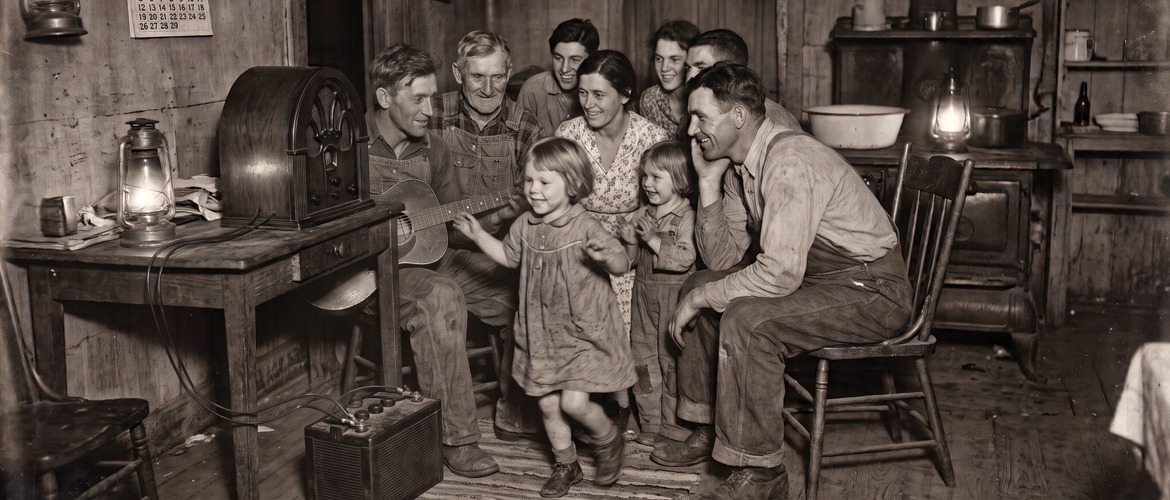
This episode of Noted Stories, “Kinfolks,” features three “relatively true”songs. Skinner’s love of stories and story songs began with his father and their family in Jordan Springs, a rural Tennessee community without electricity. In the 1930s, battery-powered radios brought the Grand Ole Opry into his grandparents’ parlor. Neighbors gathered on Saturday nights to listen, sometimes joined by his great-uncle Tom, who played guitar despite losing fingers in a dynamite accident. Tom taught David’s father to play, and his father taught David. “Tractor Battery Radio” celebrates those evenings and the family who made them possible.
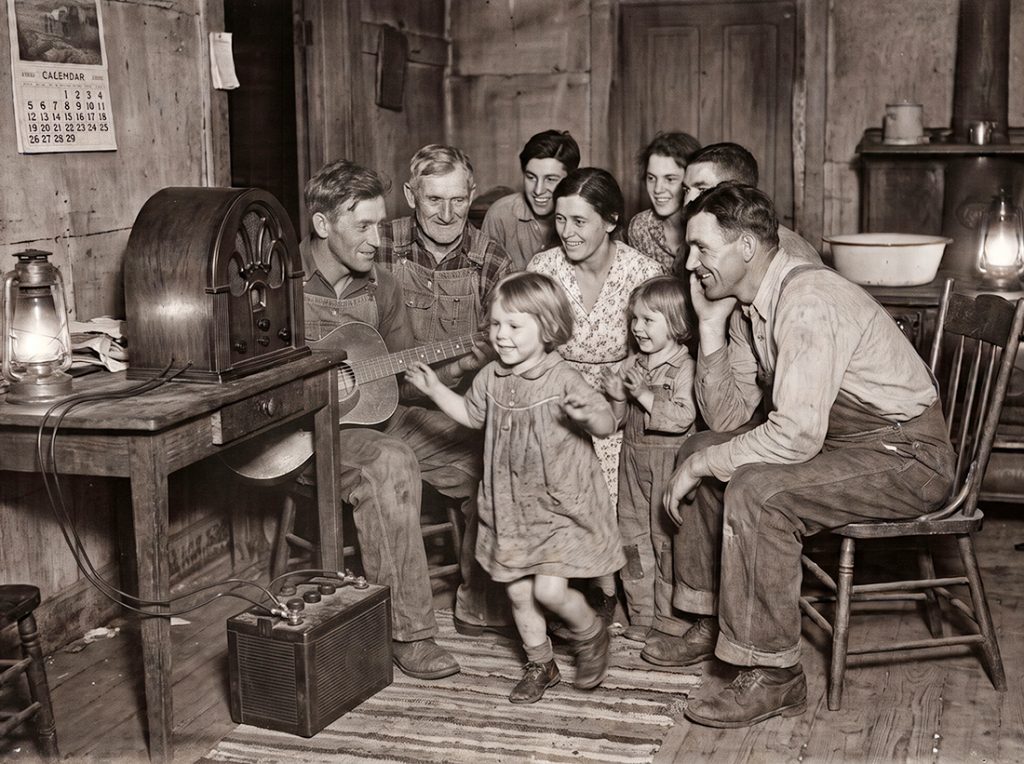
Skinner’s mother’s family lived near the Tennessee River until the TVA moved them to make way for Kentucky Lake. Her father, Daddy Bud, worked several jobs in nearby Dover, including serving as a deputy sheriff. He also loved watching wrestling on his black-and-white Motorola television. He cheered for Jackie Fargo and booed Tojo Yamamoto. Years later, Skinner learned the rivals were friends. That inspired “Motorola Cigarette,” a “relatively true” song combining Daddy Bud’s love of wrestling and hand-rolled cigarettes with a tale of the wrestlers traveling together.
“Soapbox Derby Days” recalls Skinner’s cousin Gary, born ten days after him and as close as a brother. In 1964, Gary won Camden, Tennessee’s Soapbox Derby and earned a trip to Akron for the finals. Years later, while living in Brooklyn Heights, Skinner remembered their childhood summers and wrote the song about the closeness—and distance—of growing up.
All episodes: © 2026 David Ray Skinner/Electric Quilt Music, BMI
Episode # 15: Train Tracks
This episode of Noted Stories, “Train Tracks,” features three songs inspired by David Ray Skinner’s lifelong connection to railroads.
Growing up in Nashville, Skinner watched the Christmas parade from Union Station and received a Lionel train that he still runs each Christmas. His Donelson elementary school’s annual L&N trip to Gallatin was another childhood highlight. Years later, he rode those same tracks north on his way to California.
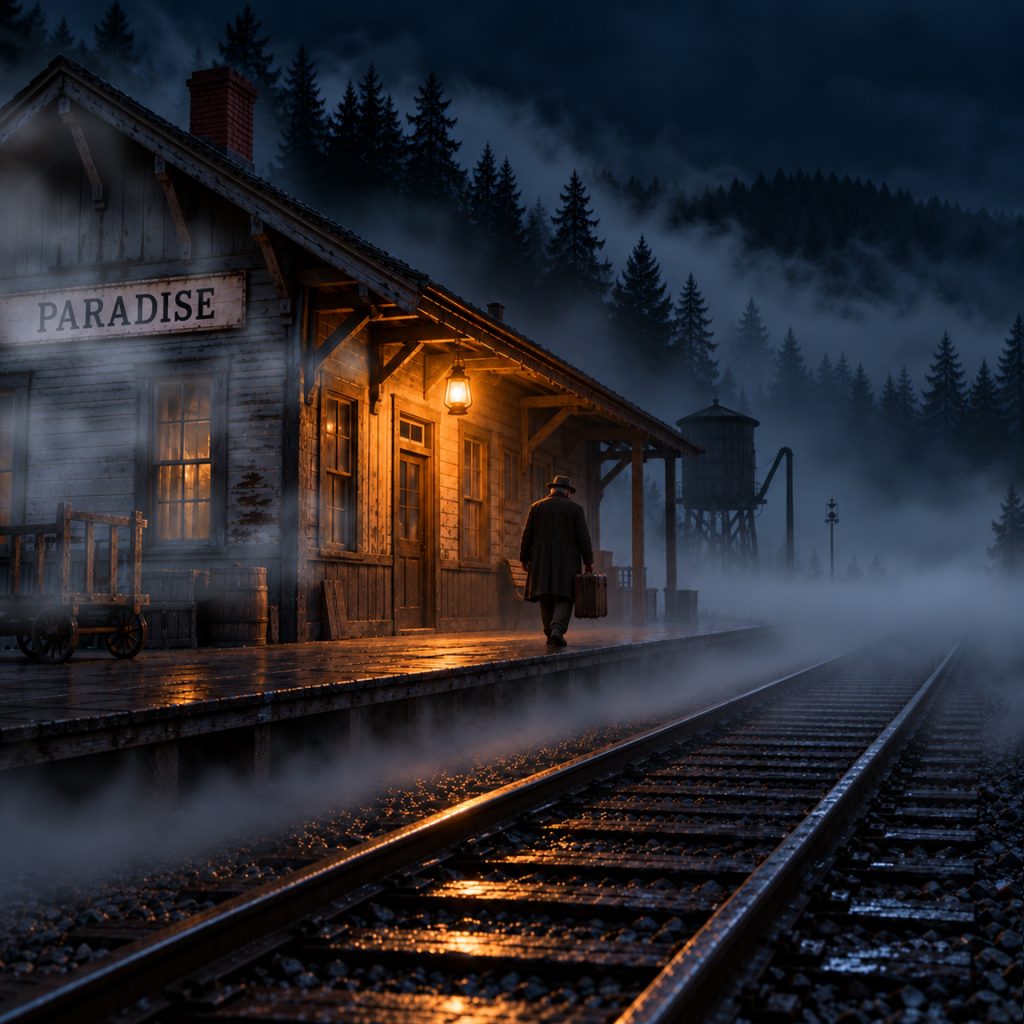
“The Burlington Line” is based on a true story. In 1975, Skinner met an elderly man aboard an Amtrak train traveling through Montana. The man said he felt alone after losing his wife and was growing distant from his children. He planned for this to be his last ride. That night, Skinner watched him leave the train at a foggy station. As the train pulled away, the name came into view: Paradise. The encounter inspired the song.
“Two Fast Trains” came to Skinner in a dream. It tells of a switchman whose job is to keep two trains from colliding—and how one bad decision sets off a chain of consequences.
“Steel and Steam Lullaby” began with a shaggy-dog story told by Bill Armstrong, the father of Skinner’s teenage music partner. A boy spends his life waving to trains and calling, “Hello, Mr. Engineer,” but never gets a response. Skinner’s band, Dog & Pony, performed the song—usually after he had told the whole story onstage to a groaning audience.